Sixth Form
Personal development, wellbeing and preparation for adult life
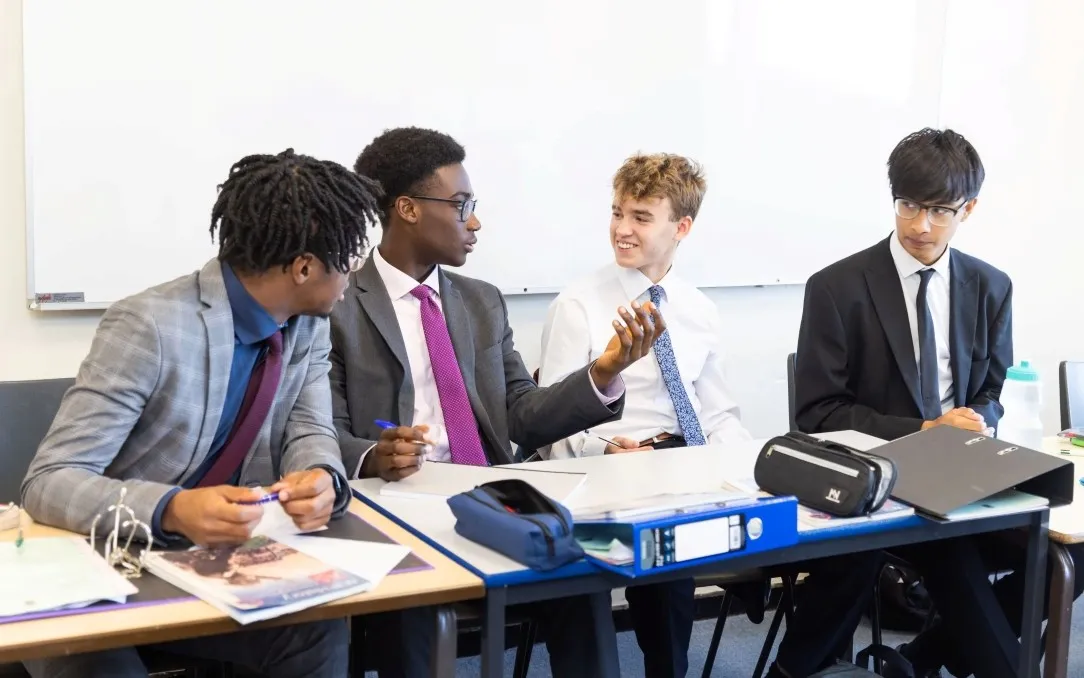
Sixth Form is a period of considerable personal as well as intellectual growth. At Wilson’s, wellbeing is therefore understood broadly: not simply as support when a student encounters difficulty, but as the development of the knowledge, habits, confidence and personal resources that enable young people to flourish now and sustain their wellbeing in adult life.
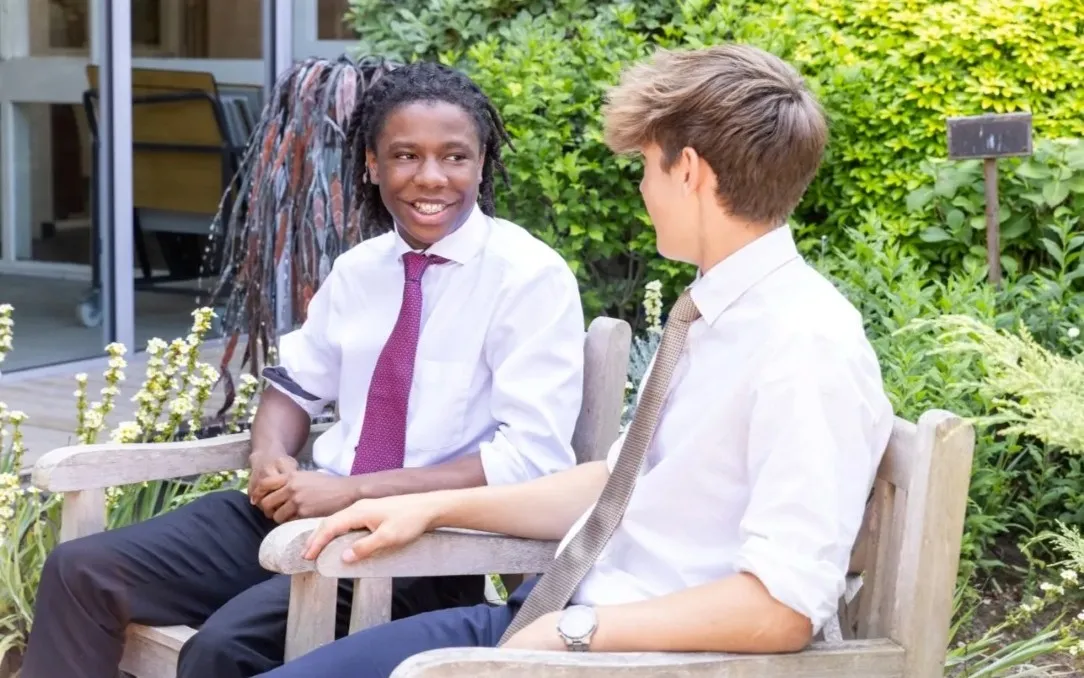
We recognise that aiming very high can bring pressures of its own. Students are encouraged to retain perspective, balance demanding academic ambitions with other interests and relationships, and develop healthy and sustainable ways of responding to challenge, uncertainty and occasional disappointment. Increasing independence is carefully graduated: Sixth Formers enjoy greater freedom and assume greater responsibility, while continuing to be known, guided and supported.
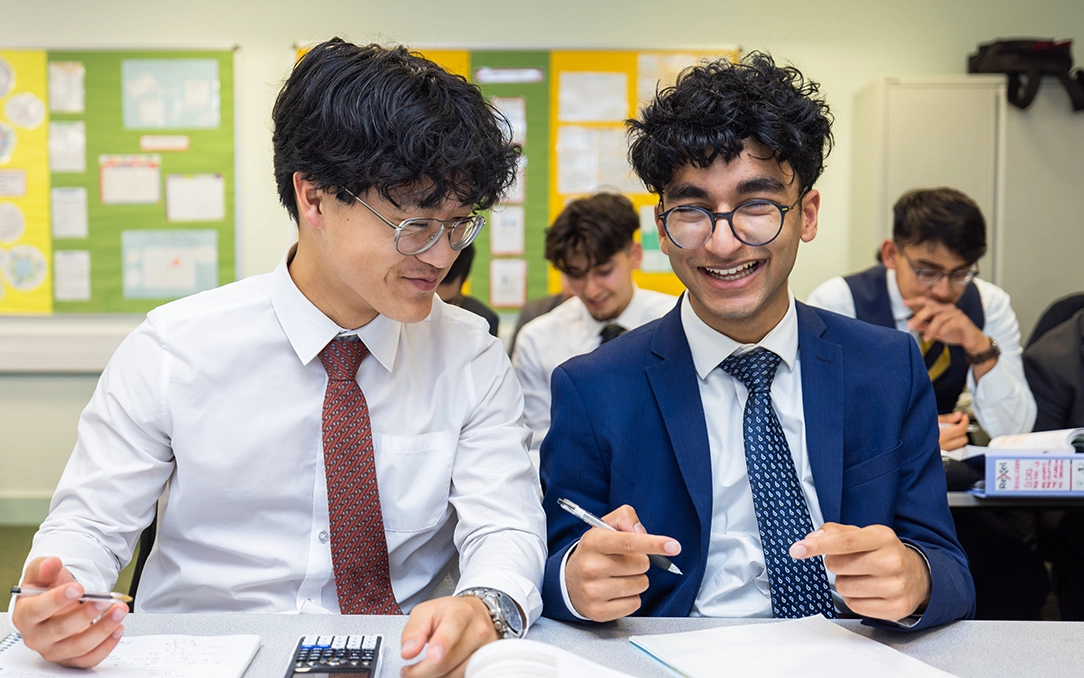
Through PSHE and Futures, students develop the knowledge and practical skills required for that increasing independence: managing demanding academic study, maintaining healthy relationships, understanding self-care, developing resilience, managing money, resolving conflict, communicating confidently in social and professional settings, and preparing for the practical realities of university, employment and more independent living. The published Futures programme specifically addresses A-level study skills, post-18 choices, purposeful work experience, meaningful volunteering, scholarly reading, professional communication, budgeting, living with others, independence and resilience.
Careers education, high-quality work experience and the Next Steps programme form an important part of this preparation for future wellbeing. They help students understand themselves and the world beyond school, make informed choices and approach major transitions with confidence and purpose.
Alongside this universal and preventative provision sits a strong structure of pastoral care. Academic tutors and the Sixth Form team know students well and monitor their academic progress and wider wellbeing. The Wellbeing Centre provides an accessible focus for support, while DISCOVER and the school’s wider mental-health provision offer more targeted help. The school draws readily on external professional expertise where this can provide additional or more specialist support (Wilson's School).
Leadership, service and contribution
Becoming a Sixth Former also means taking a new place within Wilson’s. Sixth formers are not simply the oldest students in the school: they are essential to its day-to-day life and effective operation, and are trusted with significant opportunities to lead, serve and influence the community around them.
Through the prefect system they serve the wider student body prominently at break and lunchtime, providing leadership, visibility and positive example, while also taking substantial responsibility across curricular and co-curricular provision. They all lead vertical tutor groups, play prominent roles within Houses and contribute extensively to sport, music, drama, CCF, societies and the school’s Charities, Equalities, Wellbeing and Environment committees. Senior prefects meet the Director of Sixth Form every fortnight, ensuring that student voice contributes meaningfully to the continuing development of Sixth Form and wider school life.
Through Civitas, every Lower Sixth student also devotes protected time to experiences beyond academic study, encompassing service to others, creativity and physical activity. Together with Wilson’s extensive co-curricular programme — including opportunities such as the Combined Cadet Force, Duke of Edinburgh’s Award, music, drama, sport, societies and debating — this gives students opportunities to try something new, pursue existing passions, contribute to others and develop confidence, resilience, teamwork, leadership and a strong sense of responsibility.
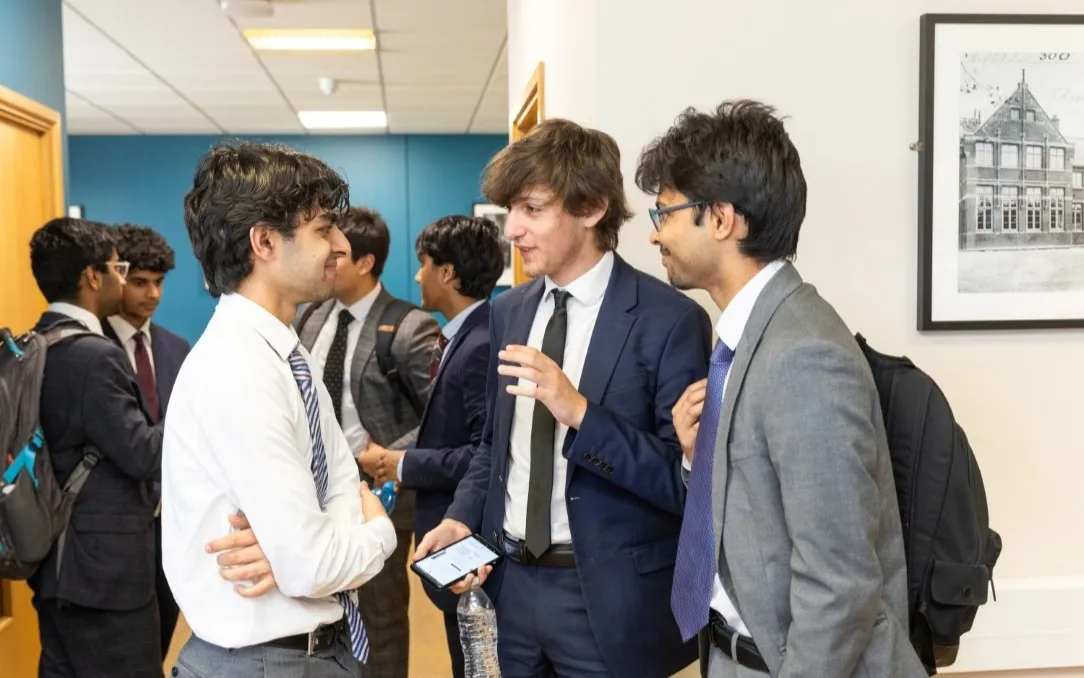
PSHE, Futures, RE and Philosophy, assemblies, tutorials, Moral Maze and the wider cultural life of the school invite students to encounter challenging ideas, engage respectfully with different perspectives, reflect upon their own values and understand their responsibilities to the communities of which they are part. The intention is to develop young adults capable not merely of academic success, but of thoughtful, informed and responsible participation in the wider world. Wilson’s published Citizenship curriculum similarly describes Key Stage 5 as developing independent thinkers with a strong sense of civic responsibility through global issues, leadership, community opportunities, critical thinking, debate and volunteering.
Exceptionally well prepared for what comes next
The Wilson’s Sixth Form is therefore much more than an academically successful programme of A-level study. These are two years in which students are expected to work hard and aim high, but also to explore, question, lead, contribute, develop new interests and grow in independence. It is a coherent preparation for higher education, employment and adult life, deliberately combining exceptional teaching and achievement with scholarship, personal development, wellbeing, independence, leadership, service and responsibility.
Students leave Wilson’s exceptionally well qualified, but that is only one measure of success. Our ambition is that they look back on Sixth Form as an intellectually exciting and personally fulfilling period of their lives, and leave with the curiosity, self-knowledge, resilience, confidence and judgement to think for themselves, embrace the opportunities and challenges ahead and, true to Non sibi sed omnibus, use their talents not only for themselves but in service to others.
For more on the Sixth Form experience and curriculum, please see here.